
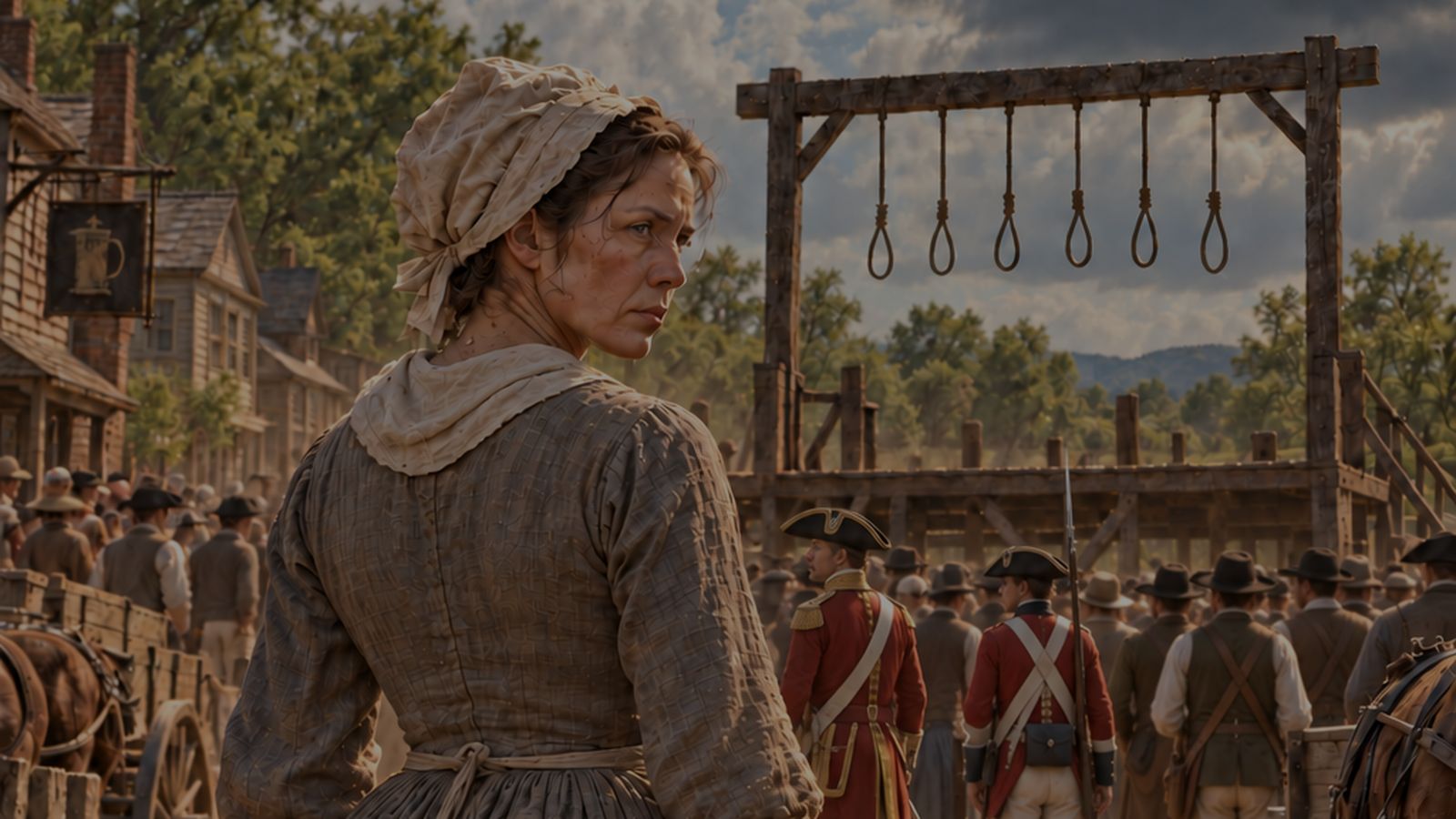
Modern thrillers operate in an era of satellite imagery, digital footprints, and instantaneous communication. A protagonist in danger can dial emergency dispatch in two seconds flat. To trap a modern hero, a thriller author must systematically disable their battery, take them off-grid, or pit them against high-tech conspiracies.
In historical fiction, however, isolation is the default.
The Power of Period Constraints
In the 19th century, a message sent from one valley to the next took days by horse courier—if the courier arrived at all. When an accused person stood in the courtroom, there was no forensic ballistics unit or fingerprint database. There was only physical testimony, eyewitness credibility, and community prejudice.
This reality creates an organic tension that modern settings can rarely replicate. Every secret is guarded behind wax seals and heavy timber doors. When a protagonist realizes that the person smiling across the parlor table is the killer, there is no quick rescue coming. Survival depends entirely on their wit, their composure, and their ability to stay alive until morning.
How to Plant Twists That Play Fair
Readers of mystery and suspense are brilliant; they spot unearned twists instantly. A true historical twist should never rely on withholding obvious facts from the reader. Instead, it must rely on period-accurate blind spots.
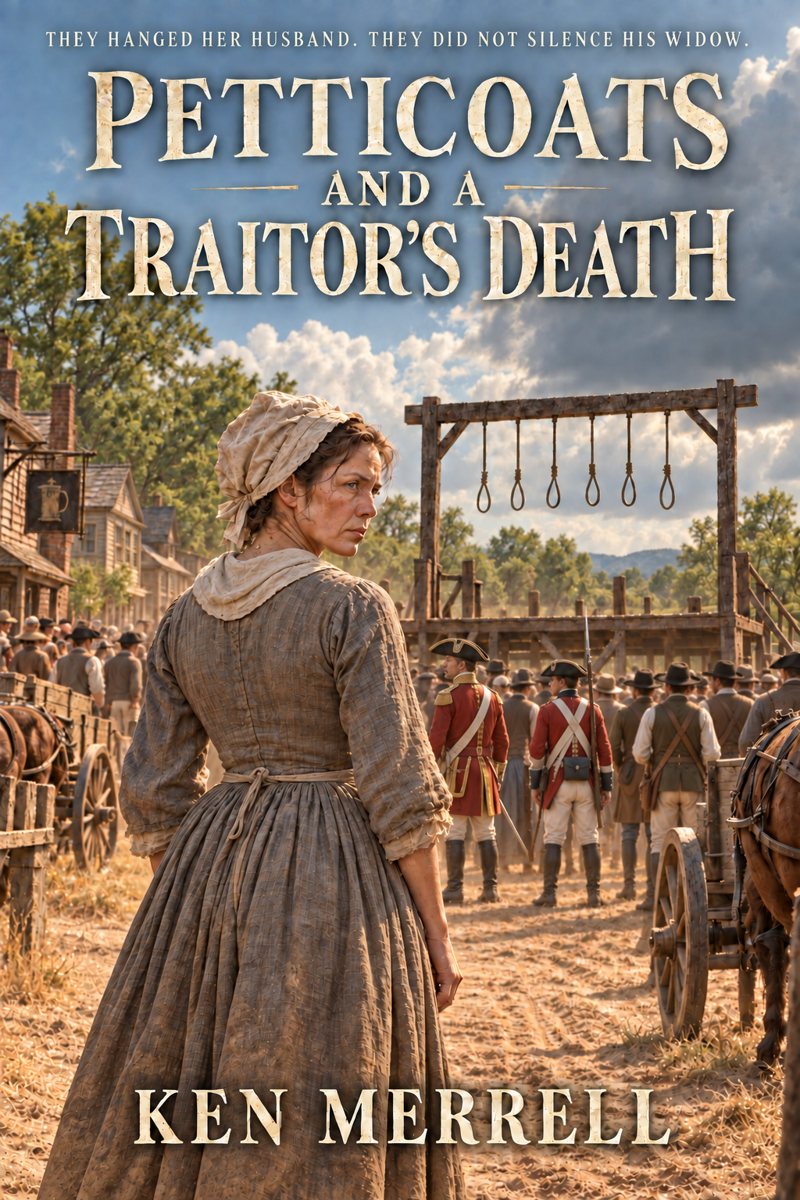
In *Petticoats and a Traitor's Death*, the tension mounts because the legal and social norms of the era dictate what people are willing to believe. When the twist drops, readers should look back through the preceding chapters and realize every clue was hiding in plain sight—obscured only by the assumptions of the time.
Reflections & Discussion (1)
That point about period-accurate blind spots is brilliant. When an era doesn't allow people to question authority or certain social classes, the villain has the perfect camouflage.
Leave a Thought or Question
Your email address will not be published. Required fields are marked *