
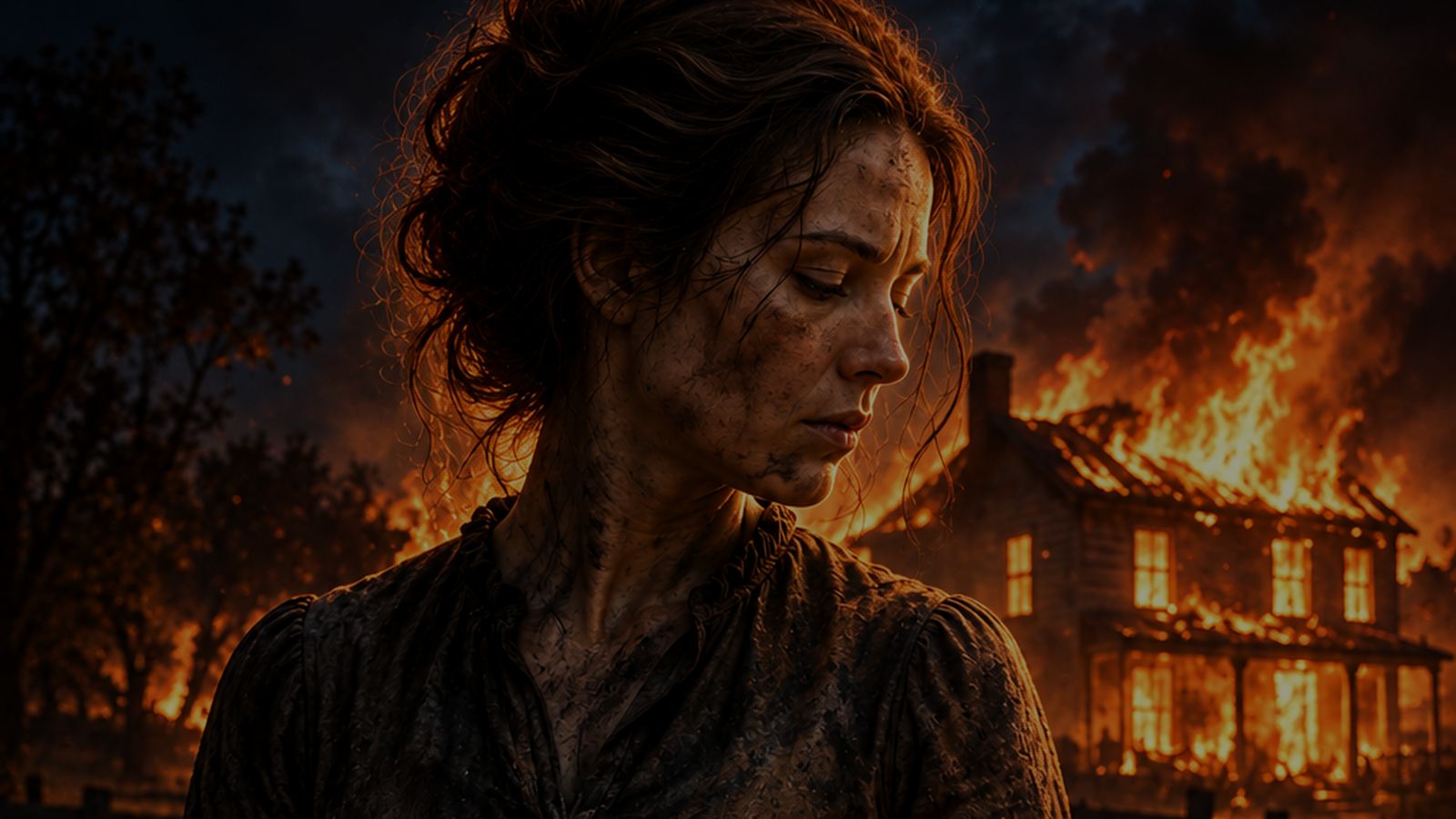
Every historical novel begins with a spark—often tucked away in the yellowed margins of a document nobody has opened in a century.
For *Petticoats and Ash*, that spark came while digging through 19th-century territorial court proceedings. Official histories record the dates of battles, the names of governors, and the expansion of railways. But in the handwritten depositions of ordinary men and women, an entirely different frontier emerges: one of quiet resilience, fierce secrets, and women forced to make impossible choices in a landscape that forgave nothing.
The Forgotten Women of the Frontier
When we think of the frontier in popular culture, the imagination drifts toward saloon gunfights and solitary sheriffs. Yet the reality was far more communal and far more perilous. Women ran homesteads, held together fractured communities, and often navigated legal and social systems heavily stacked against them.
In *Petticoats and Ash*, I wanted to place a protagonist directly at the intersection of vulnerability and ferocious determination. She could not rely on modern institutions, telephone lines, or the luxury of second chances. If she made a misstep, the consequences were immediate and unforgiving.
Balancing Historical Rigor with Page-Turning Suspense
One question readers frequently ask me during book tours is how I balance authentic research with modern storytelling rhythm. The secret is simple: never let the research drown the heartbeat of the scene.
If a character is running for her life through an abandoned mill at twilight, she does not stop to describe the architecture of the timber beams. She smells the damp sawdust, feels the splintered floorboards beneath her boots, and listens for the footsteps behind her. Accuracy creates the world; character urgency makes it unforgettable.
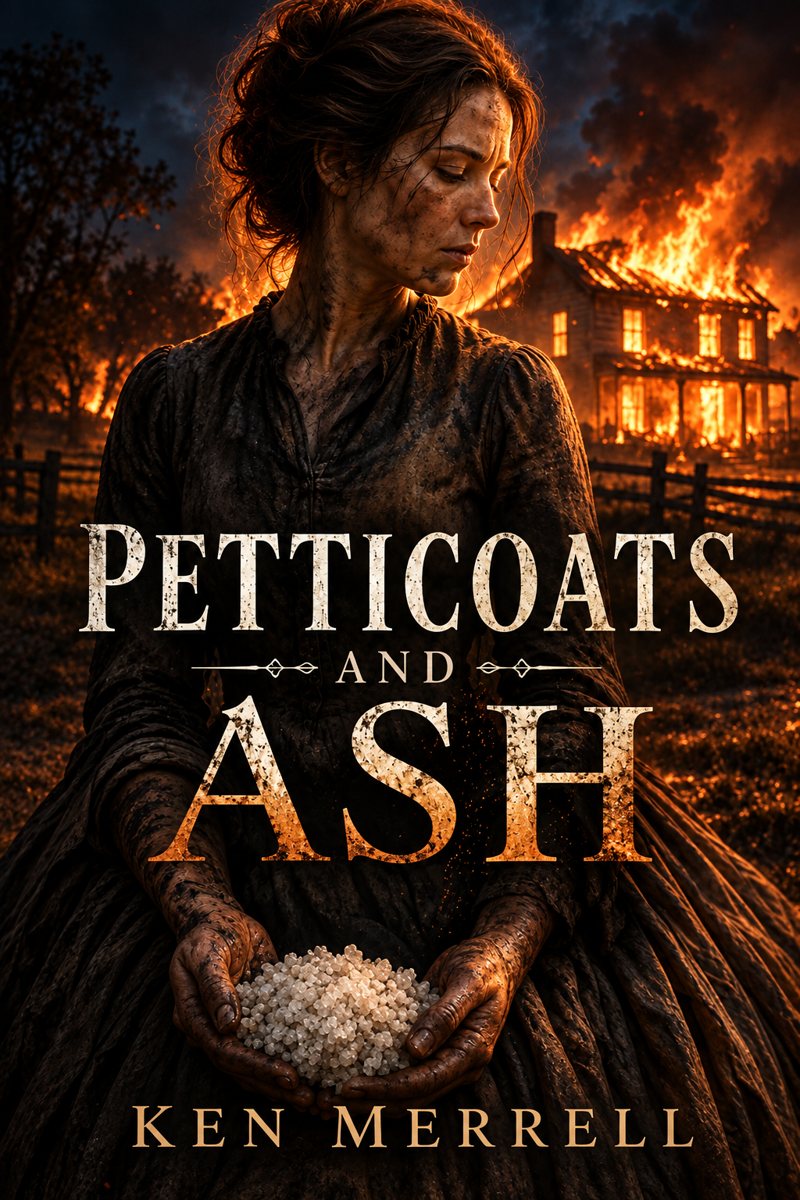
If you haven't yet stepped into the world of *Petticoats and Ash*, you can explore the first chapter right here on the website or find it on Amazon.
Reflections & Discussion (2)
The attention to historical courtroom procedure in Petticoats and Ash blew me away. It is so rare to find historical fiction where the legal constraints feel genuinely true to the 1800s rather than retrofitted modern drama.
“Thank you so much, Eleanor! Those handwritten territory transcripts in Salt Lake City took months to transcribe, but hearing that the authenticity resonated makes every late night worth it.”
Will your upcoming books also delve into territorial mining disputes? The frontier legal battles of that era were brutal.
Leave a Thought or Question
Your email address will not be published. Required fields are marked *