
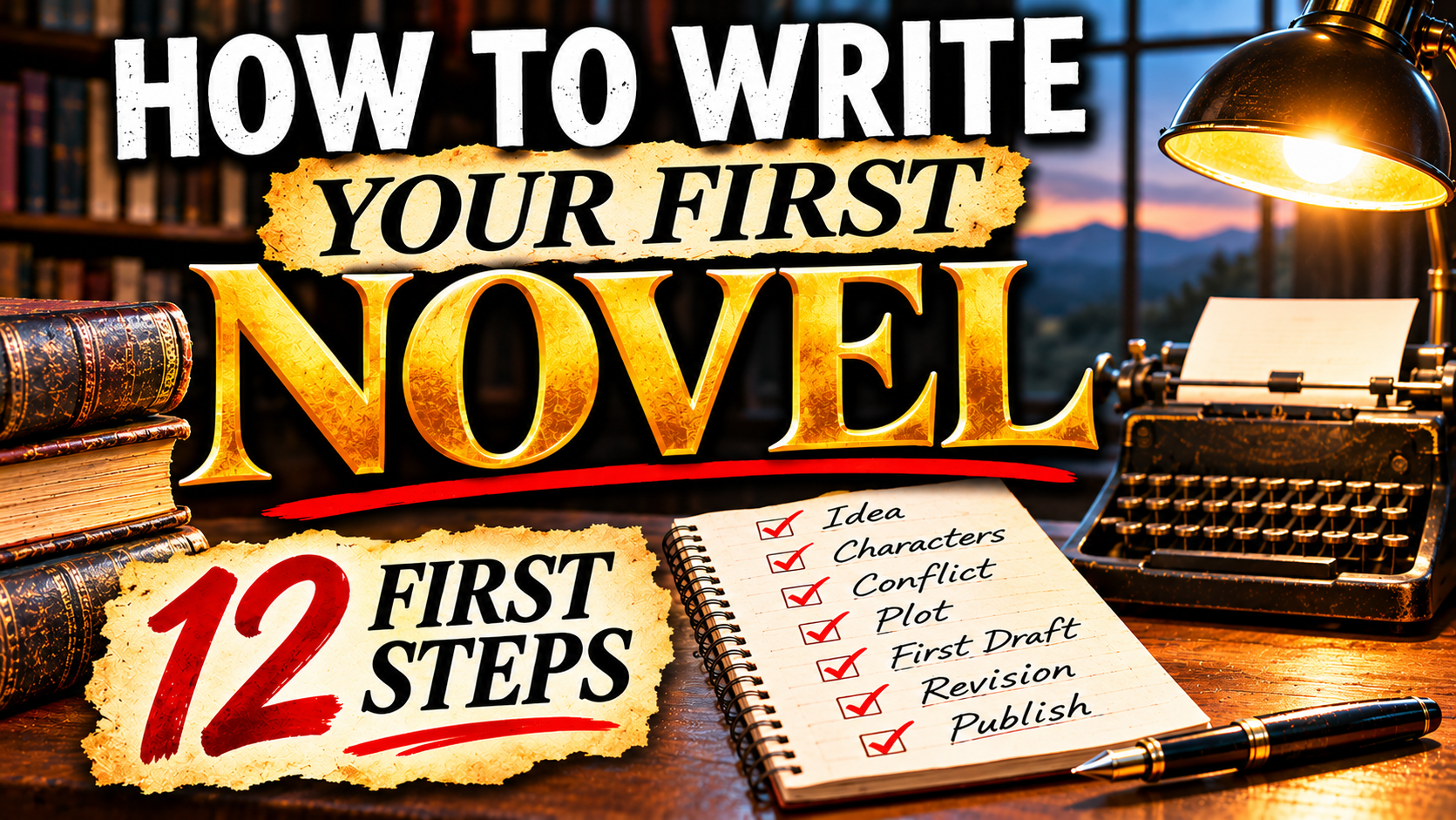
How to Write a Novel for Beginners
12 Steps from Your First Idea to Your Finished Book
By Ken Merrell
Introduction: The Manuscript on My Desk
It took me four years to write my first novel. Four years of writing, rewriting, editing, and more frustration than I care to remember. The book was called The Landlord. I had been through the manuscript dozens of times, rearranged scenes, rewritten chapters, corrected mistakes, and worked until I was convinced I had finally gotten it right. I thought it was ready to publish.
Then I handed it to a friend who was both a writer and a publisher. He took it home. I was scared to death. The next day, he walked into my office and dropped the manuscript on my desk.
“I don't know if you write like John Grisham or Stephen King,” he said. “You're fantastic. But I got to page 125, and it all went to crap.”
Then he gave me an offer I couldn't ignore: “Fix it, and I'll publish it.”
Four years. Dozens of revisions. And I still hadn't gotten it right. But he had given me something far more valuable than a compliment. He had shown me that writing well and telling a good story are not necessarily the same thing.
I could write sentences. I could describe scenes. I could create characters. But somewhere along the way, I'd lost control of the story. And I needed to understand why.
I've studied advanced film and philosophy, written ten novels, reached an estimated 265,000 readers, and received more than 550 five-star reviews for my books. But some of my most valuable lessons came from manuscripts that didn't work the first time—especially that first one.
If you're thinking about writing a novel, I want to share what I've learned, not just from studying storytelling but from years of doing it. We'll begin with an idea, develop characters and conflict, build a plot, keep readers turning pages, and work through finishing and revising a manuscript.
Finishing a manuscript doesn't necessarily mean you've finished writing the novel. Sometimes the most important work begins when you think you're done.
- Why Do You Want to Write a Novel?
Before you decide how many chapters you need, ask why you want to tell this story. Some writers want to entertain; others want to explore family, loyalty, justice, faith, sacrifice, or human nature. Some hope to earn a living. None of these reasons is wrong.
A novel can take months or years. If publication or financial success is your only motivation, the journey may become discouraging. A book can still be worth writing even if it never becomes a bestseller. It can challenge your thinking, sharpen your understanding of people, and give form to a story that might otherwise never be told.
Exercise: Write one private paragraph explaining why this particular story matters to you. Keep it for the days when writing becomes difficult.
Read further: You May Never Sell a Book. Write It Anyway.
- Find an Idea That Can Sustain a Novel
An entire novel can begin with a single question. I know because one of mine did.
I was researching the American Civil War when I wondered: Where did all the gunpowder come from? Armies fired millions of rounds of ammunition and artillery batteries pounded positions for hours. But gunpowder didn't simply appear beside the cannons. Someone had to manufacture it, and someone had to obtain its ingredients.
That question led me to saltpeter, an essential ingredient of black powder. Where did the Confederacy get it when the Union blockade restricted imports? As I investigated, I found caves, mining operations, desperate supply efforts, and ordinary people caught in the machinery of war. A single question eventually grew into my historical novel Petticoats and Ash.
Research gives you information. A novel requires people. Who was involved? What did they want? What stood in their way? What would happen if they failed? A historical fact becomes a story when it has human consequences.
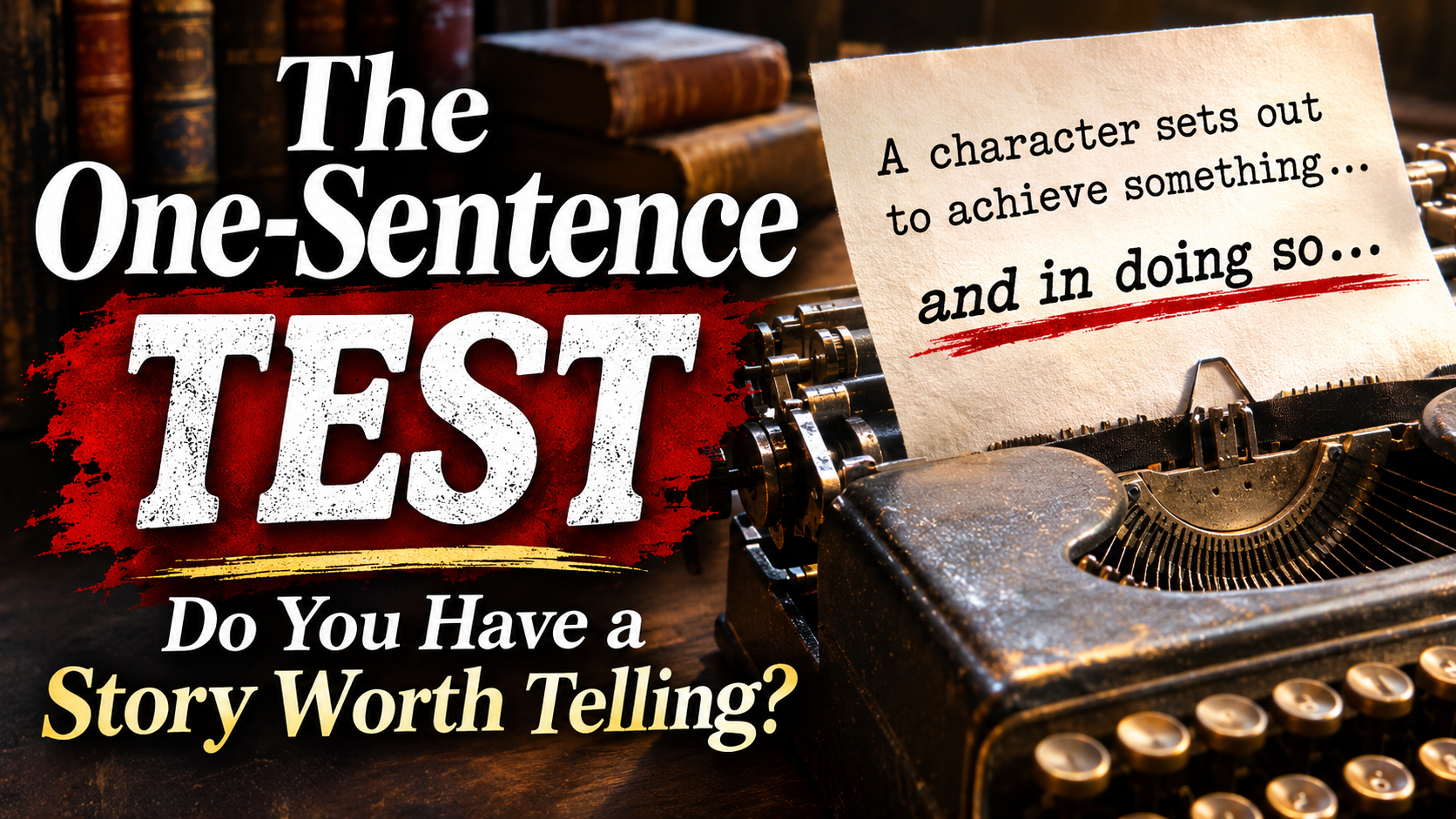
The One-Sentence Test
Before you begin outlining chapters, try expressing your story in one sentence: A character sets out to achieve a specific goal, and in doing so, discovers something that changes them, changes the people around them, or reveals the cost of refusing to change.
The words “and in doing so” are important. The pursuit must cause the discovery or consequence. Every major scene should move your protagonist toward or away from that goal, or change what pursuing it means. If a scene does none of those things, ask why it belongs in the novel.
Exercise: Write down three questions you've wondered about. Choose one, then imagine a person whose life could be changed by its answer.
Read further: How to Turn One Historical Detail Into a Story.
Read further: The One-Sentence Test: How to Know If You Have a Story Worth Telling.
- Choose Your Genre and Understand Your Reader
A novel is a relationship between writer and reader, and expectations matter. Mystery readers anticipate clues and meaningful resolution. Romance readers expect an important relationship to shape the story. Historical fiction readers expect a believable past, even when characters are invented.
Understanding a genre isn't copying other writers. It's recognizing the experience you're promising. If a suspense novel spends its first hundred pages on unrelated childhood memories without a developing threat, readers may feel they were promised something else.
Read several novels in your intended genre. Notice how quickly their central concerns appear, how chapters develop, and what makes their endings satisfying. Then decide what distinctive experience your story will offer.
- Create Characters Readers Care About
Height, hair color, favorite foods, and clothing may help you picture a character, but they rarely make readers care. Readers invest when they understand what someone wants, what that person fears, and what might be lost.
Imagine a successful attorney with a beautiful home and family. Now imagine an attorney who has spent twenty years defending accused criminals because he once helped convict an innocent man. The second character carries a moral burden. His profession, past, and identity collide.
Ask four questions: What does this person want? Why does it matter? What weakness or mistaken belief complicates the journey? What might this person become by the end? Characters may grow, deteriorate, or refuse to change, but their choices must be believable.
Some protagonists remain steadfast in their convictions and change the people or world around them. What matters is that their choices have meaningful consequences.
Read further: Philosophy and Psychology of Writing.
- Give Your Characters Real Conflict
One of the most damaging mistakes a novelist can make is protecting a favorite character. After months of writing, we care about the people we've created. When their decisions should lead to painful consequences, we invent a convenient rescue, an unlikely coincidence, or an enemy who suddenly makes an inexplicable mistake.
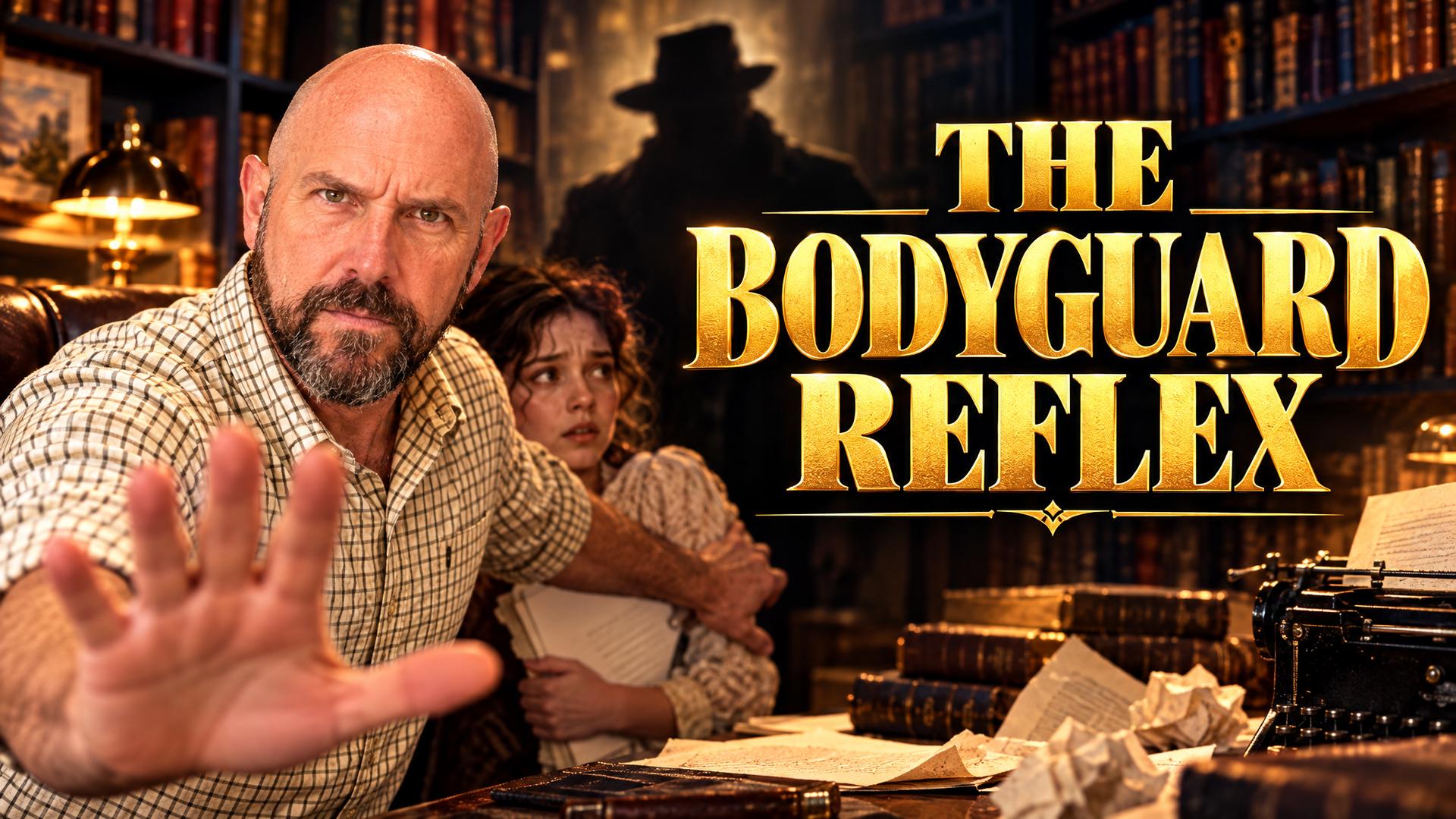
I call this the Bodyguard Reflex: the writer's temptation to step into the story and protect a character from earned consequences. Conflict doesn't mean suffering for its own sake. It means decisions matter. Sometimes the price is physical danger; sometimes humiliation, betrayal, disappointment, or a broken relationship.
Imagine a father who can save his business only by betraying the son who helped build it. There may be no painless answer. That's where character and plot become inseparable.
One of my favorite challenges is to put a character into the worst believable predicament I can imagine, then find a credible way out. The solution must grow from the character’s choices, abilities, relationships, or discoveries already established in the story. Do not change the rules simply because the predicament has become difficult to resolve.
Exercise: Identify the hardest choice your protagonist will face. What will each available option cost?
Read further: The Bodyguard Reflex: Why Writers Must Stop Protecting Their Characters.
- Build a Plot Without Becoming a Prisoner of Your Outline
Some writers outline every chapter; others discover the story while writing. Both approaches can work. A plan helps you avoid wandering, but refusing to revise it when characters develop can make a novel feel mechanical.
Begin with five landmarks: the opening situation; the disruption that changes ordinary life; the developing struggle; the decisive confrontation; and the resolution. You don't need every detail between them. You need enough direction to move forward.
Suppose a woman discovers that her missing brother has been living under another identity. As she searches, she learns he disappeared to protect someone in the family. Eventually she must choose between exposing the truth and protecting someone she loves. That gives us a story trajectory, not a prison. The chapters are the journey.
- Write an Opening That Makes Readers Curious
Your opening must persuade a stranger to continue. It need not begin with an explosion. It should establish something worth caring about.
Compare: “Daniel attended his father's funeral on a cold Tuesday morning.” Now try: “The morning Daniel buried his father, he discovered the old man had been dead for eleven years.” The second version creates questions: Whom is he burying? Who knew? Why conceal it?
Curiosity alone isn't enough. The answer must matter. Whenever a writer introduces a meaningful unanswered question or emotional need, the reader develops an expectation of resolution. You've borrowed the reader's attention; now you owe something in return. I call that Narrative Debt.
An effective opening doesn't need to explain everything. It needs to make readers want to discover what comes next.
- Write Scenes Instead of Simply Explaining Events
A novel isn't a report of everything that happens. It's an experience. Consider: “Margaret was frightened when she learned her husband had died. She didn't know what she would do without him.” Now imagine: “Margaret read the telegram twice. Then she folded it carefully and placed it beside her husband's untouched breakfast. She reached for his coffee cup. It was still warm.”
The second passage allows the reader to experience a moment rather than being told what to feel. But “show, don't tell” is not absolute. A single sentence can summarize a journey or bridge twenty years. Ask whether this is a moment readers need to witness or information they simply need to know.
Strong scenes involve a goal, resistance, decisions, and consequences. Dialogue can reveal motives, conceal intentions, or expose the difference between what someone says and feels. Description should build the world without stopping the story.
Choose a Point of View
First person tells the story through a character’s own voice: “I opened the door.” Third-person limited follows a character from outside while allowing readers access to that character’s thoughts and perceptions: “Margaret opened the door.” Third-person omniscient allows a narrator to know more than any individual character, including the thoughts of several people.
For a beginning novelist, third-person limited or first person can provide a useful starting point. If you change viewpoint characters, consider doing so at a scene or chapter break. Decide whose experience the reader is sharing and avoid unintentionally jumping between minds in the same moment.
Let the Reader Participate
Showing a scene is only the beginning. Imagine Margaret must decide whether to sell the home she shared with her husband to pay a debt. Let her hold the unsigned agreement, look at the room around her, and consider what each choice will cost. Give the reader enough time to imagine making that decision. When readers begin asking themselves what they would do, they are no longer merely witnessing the story; they are participating in it.
Exercise: Choose a decisive moment in your story. Write it from one character’s viewpoint, allowing readers to anticipate the choice before the character makes it.
- Learn Why Readers Keep Turning Pages
People often read past bedtime because something important remains unresolved. A mother receives a letter from a son she buried twenty years earlier. A detective finds evidence implicating a friend. A woman finally locates her missing brother, but he refuses to come home.
In Narrative Debt, I distinguish intellectual debt (what happened?), emotional debt (what will become of them?), and moral debt (what is owed?). The strongest novels often combine all three. But introducing a mystery in Chapter One and ignoring it for fifteen chapters isn't suspense. It's neglect.
Give readers discoveries, setbacks, contradictions, partial answers, and changing circumstances. A chapter can resolve one question and create a more important one. The reader gives you time and attention; you provide meaningful progress.
A writer doesn't owe readers a happy ending. A writer owes them an earned ending that honors the story's promises.
Read further: Narrative Debt: Why Readers Can't Stop Turning Pages; How to Keep Readers Turning Pages.
- Handle Twists and Unexpected Problems
Eventually a character behaves in a way that makes your planned ending impossible, a plotline becomes predictable, or a scene you expected to be powerful falls flat. You may feel you've written yourself into a corner.
Before forcing a convenient solution, examine what choices brought the character there, what the person would realistically do, and what consequences you've established. Sometimes the corner reveals that the original plan was weak; sometimes it reveals that your characters have become more believable than your outline.
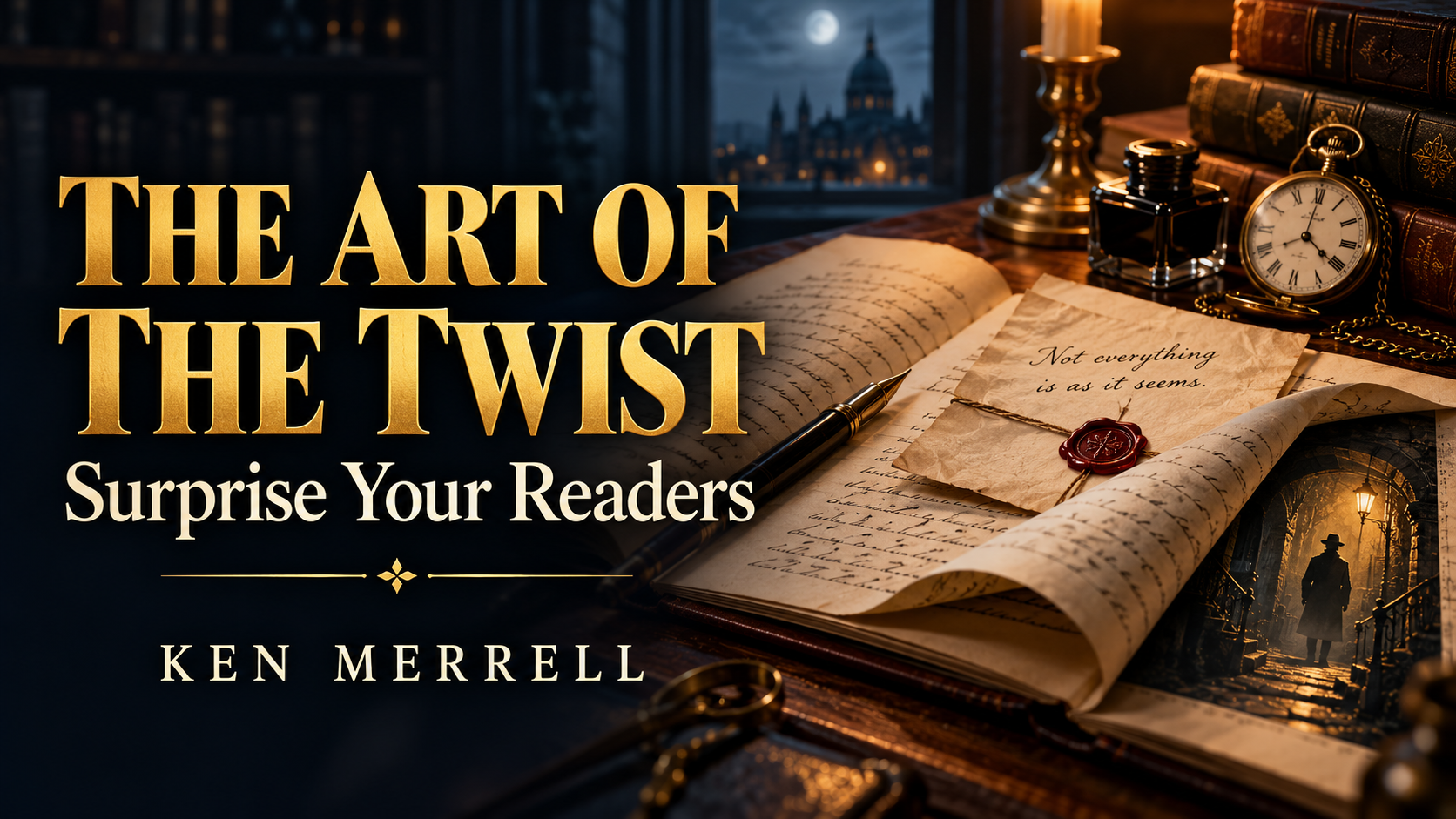
A twist should do more than surprise. It should change the meaning of something the reader already knows. If a trusted friend is revealed as a betrayer, earlier incidents should gain new significance. Readers should be able to look backward and recognize the clues.
Read further: Writing Yourself Into a Corner; The Art of the Twist.
- Finish Your First Draft—Then Rewrite
Many beginning writers perfect the first chapter so repeatedly that they never finish. Revision matters, but you can't revise a novel that doesn't exist. Your first draft doesn't need to be beautiful. It needs to be written.
Set a manageable schedule. Five hundred words a day, five days a week, produces about 2,500 words weekly. At that pace an 80,000-word draft takes roughly 32 writing weeks, before breaks and revisions.
When you finish, take some distance, then read as a reader. Does the beginning establish the central concerns? Are scenes repetitive? Do characters act consistently? Have choices produced believable consequences? Does the ending resolve the questions you taught readers to care about?
Sometimes revision removes a paragraph. Sometimes a chapter. Sometimes it changes the entire structure. Remember the manuscript dropped on my desk at page 125: believing a draft is ready and discovering that it isn't can be painful, but that discovery is an opportunity to make the story work.
Read further: How Do You Know If You're a Good Writer?
- Prepare for Publication Without Losing the Story
Once the manuscript is revised, you face another set of decisions: traditional or independent publication, professional editing, cover design, and reaching readers. Don't rush into these before the story is ready.
Thoughtful beta readers can identify confusing passages, slow sections, unconvincing behavior, and emotional moments that fail. Editors can help with structure, prose, and technical correctness. Consider their criticism carefully while keeping responsibility for your creative choices.
Today's marketplace offers opportunities and enormous competition. Artificial intelligence can help organize notes, flag repetition, or critique a scene, but using a tool to improve your work is different from letting it make the storytelling decisions.
Read further: The Publishing Flood; AI-Written Novels vs. AI-Assisted Authors: Who Is Telling the Story?
A Seven-Day Plan to Begin
Day One: Write a paragraph about why this story matters.
Day Two: Describe your protagonist, desire, and main obstacle. Express the story in one sentence.
Day Three: Identify the event that disrupts ordinary life.
Day Four: List five major developments toward the ending.
Day Five: Decide what your protagonist stands to lose.
Day Six: Draft an opening scene that creates curiosity.
Day Seven: Read your work, note the next steps, and choose a sustainable writing schedule.
You won't have a finished novel after seven days. You'll have something more valuable than an idea you've carried around for years: a beginning.
Final Thoughts: The Novel Only You Can Write
Remember the manuscript my friend dropped on my desk? The Landlord eventually became a bestseller. The lesson I took from that experience was that polished sentences could not compensate for a story that had lost its direction. A manuscript that needs more work is not necessarily a failed novel. Sometimes recognizing what is wrong is the very thing that allows you to make it work.
There are countless books about plot, point of view, dialogue, pacing, and endings. Many rules are useful. None replaces your responsibility to understand the story, care about your characters, allow consequences, and respect your reader.
When someone opens your novel, they're giving you a portion of their life. They may spend hours imagining places that never existed and worrying about people who were never born. That's an extraordinary privilege—and responsibility.
So begin. Don't wait until you understand every technique, until a publisher promises acceptance, or until you're certain you're good enough. Write the first scene. Then the next. Learn as you go.
Every finished novel was once an unfinished idea in the mind of someone who decided to begin.
About the Author
Ken Merrell is the author of ten novels, including The Landlord, Identity Check, and Petticoats and Ash. His books have reached an estimated 265,000 readers and received more than 550 five-star reader reviews. Drawing on his studies in advanced film and philosophy and years of storytelling experience, he explores the craft, psychology, and philosophy of writing fiction through his Why This Story Works articles.

Reflections & Discussion
No comments yet.
Be the first to share your thoughts, historical theories, or reactions with Ken!
Leave a Thought or Question
Your email address will not be published. Required fields are marked *